
Building an Effective Home Emergency Preparedness Plan

Emergencies can strike at any time, often without warning. Whether it is a natural disaster, a power outage, or a medical emergency, having a well-thought-out home emergency preparedness plan is essential to keep you and your loved ones safe. This guide will walk you through the key steps to build an effective plan tailored to your household’s needs.
Understanding the Importance of an Emergency Preparedness Plan
Creating an emergency preparedness plan is not just about having supplies on hand. It involves detailed preparation, communication strategies, and regular practice. Emergencies can range from floods and fires to severe weather or even unexpected accidents. Without a plan, confusion and panic can take over, making it harder to respond effectively.
An emergency preparedness plan helps you:
Stay calm and organized during a crisis.
Ensure everyone knows their role and responsibilities.
Minimize risks and injuries.
Maintain communication with family members and emergency services.
Recover faster after the event.
By investing time in planning, you increase your household’s resilience and ability to cope with unexpected situations.
Key Components of an Emergency Preparedness Plan
Building a comprehensive emergency preparedness plan involves several critical components. Here’s what you need to focus on:
1. Risk Assessment
Start by identifying the types of emergencies most likely to affect your area. For example, if you live in a region prone to flooding or wildfires, your plan should prioritize those risks. Consider:
Local weather patterns and natural disaster history.
Proximity to industrial sites or hazardous materials.
Potential for power outages or water supply disruptions.
2. Emergency Contacts List
Compile a list of important phone numbers and addresses, including:
Family members and close friends.
Neighbours who can assist.
Local emergency services (fire, police, ambulance).
Utility companies (gas, electricity, water).
Medical providers and pharmacies.
Make sure everyone in your household has a copy of this list, both digitally and on paper.
3. Evacuation Routes and Meeting Points
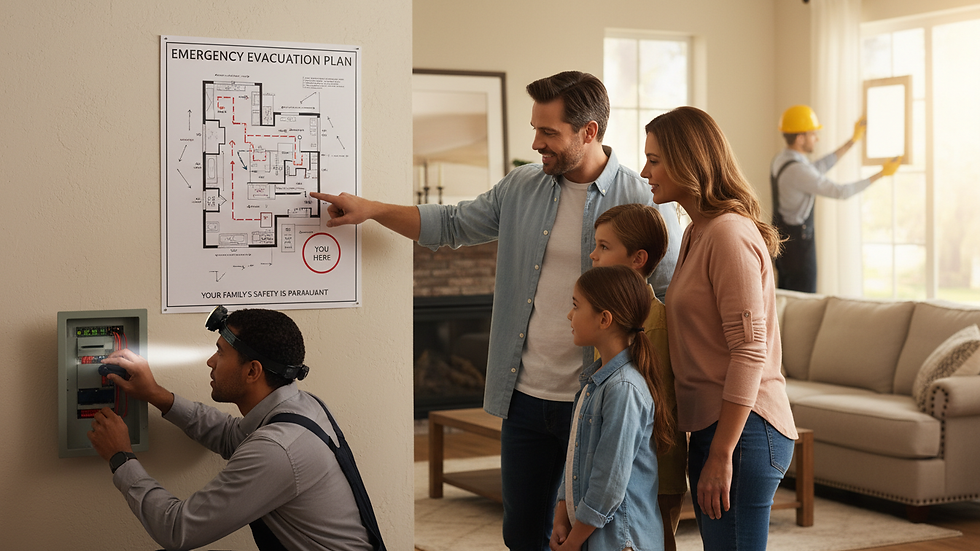
Plan multiple evacuation routes from your home and neighbourhood. Identify safe meeting points where your family can gather if separated. Practice these routes regularly to ensure everyone is familiar with them.
4. Emergency Supplies Kit
Prepare a kit with essential items to sustain your household for at least 72 hours. Include:
Water (4 litres per person per day).
Non-perishable food.
First aid supplies.
Flashlights and extra batteries.
Battery-powered or hand-crank radio.
Personal hygiene items.
Copies of important documents.
Cash in small denominations.
Blankets and clothing.
Store the kit in an easily accessible location known to all family members.

5. Communication Plan
Decide how your family will communicate during an emergency. Cell phone networks may be overloaded or down, so consider alternatives like:
Text messaging instead of calls.
Designating an out-of-town contact person.
Using social media or emergency apps.
Make sure everyone knows how to reach each other and where to check for updates.
How to Practice and Maintain Your Emergency Plan
Having a plan is only effective if it is practiced and updated regularly. Here are some tips to keep your plan current and actionable:
Conduct regular drills with your family to simulate different emergency scenarios.
Review and update contact information every six months.
Check and replenish your emergency supplies annually or as needed.
Stay informed about new risks or changes in your community.
Educate all household members, including children, about the plan and their roles.
Practicing your plan builds confidence and helps identify any gaps or challenges before a real emergency occurs.
Special Considerations for Vulnerable Family Members
When building your plan, consider the unique needs of all household members, including:
Elderly individuals who may require medication or mobility assistance.
Children, who need clear instructions and reassurance.
Pets, who need food, water, and safe shelter.
People with disabilities who may need specialized equipment or support.
Prepare additional supplies and accommodations as necessary to ensure everyone’s safety and comfort.
Staying Prepared Beyond Your Home
Emergencies can happen anywhere, so it’s important to extend your preparedness beyond your home. Consider:
Keeping a smaller emergency kit in your car or workplace.
Knowing the emergency plans of your children’s schools or daycare.
Staying aware of community resources such as shelters and aid centres.
By thinking beyond your immediate household, you can better protect yourself and your family in all situations.
Taking the First Step Today
Building an effective home emergency preparedness plan is a vital step toward safety and peace of mind. Start by assessing your risks, gathering supplies, and communicating with your family. Remember, a good plan is simple, clear, and practiced regularly.
For more detailed guidance and resources, consider visiting home emergency preparedness plan to tailor your plan to your specific needs.
Being prepared means you are ready to face whatever challenges come your way with confidence and resilience. Take action today to protect your home and loved ones.


Comments